
Disclaimer:
This page is an independent educational resource and is not affiliated with or operated by any official organization or service.
In modern digital environments, the term empoer is often used to describe abstract models of how a system platform organizes interfaces, data workflow, and structural components. Within large-scale organizational contexts, these systems are designed to present information in layered formats while maintaining clarity and consistency across a digital system. The concept of enpower is also referenced when discussing how structural logic supports scalable interface models.
H2: empoer and the Foundation of a Digital System
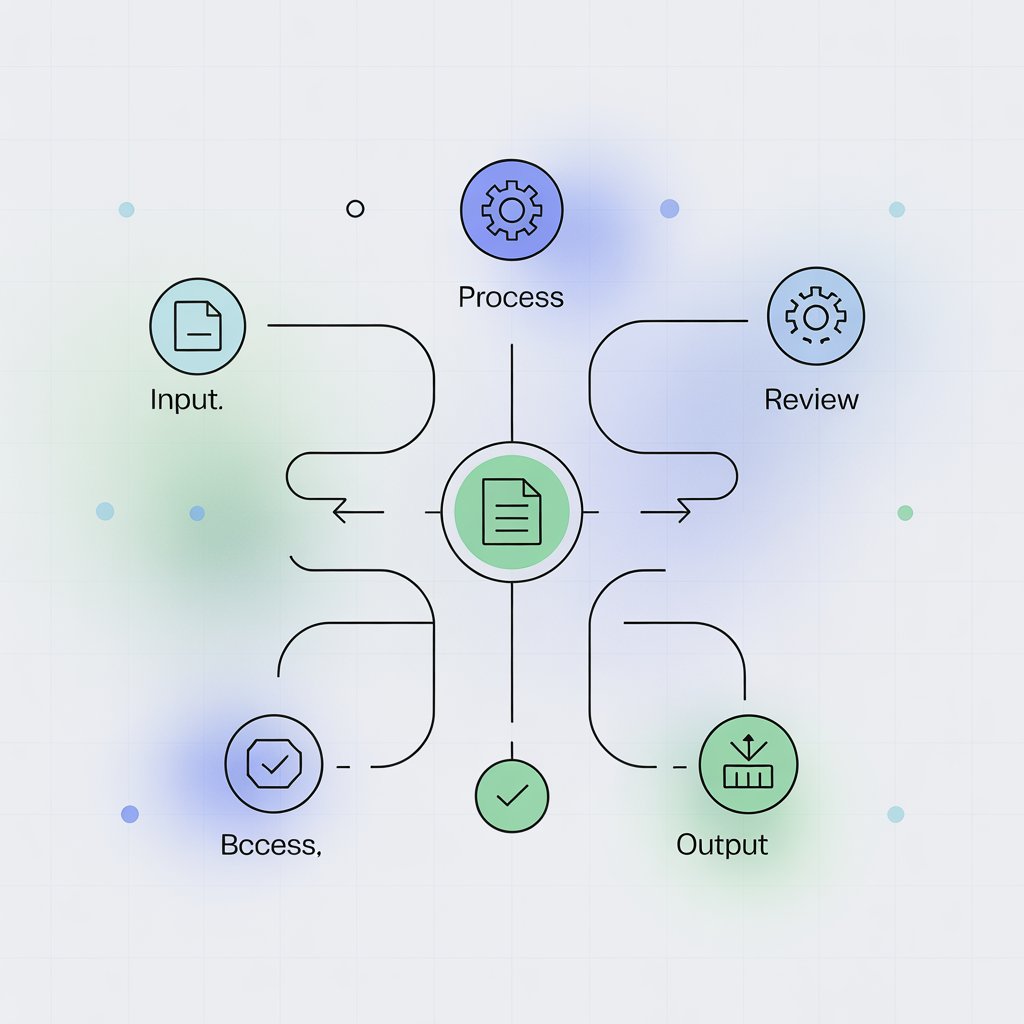
A system platform based on empoer principles typically relies on modular architecture. Each module contributes to the overall system structure while remaining logically independent.
Key characteristics include:
- Layered interface components
- Structured data workflow segmentation
- Consistent system structure hierarchy
- Unified navigation logic
The digital system operates through defined relationships between interface elements and underlying data processes. This ensures that visual presentation reflects internal organization without exposing operational complexity.
H2: Structural Layers in empoer System Platform Models
Within empoer-based environments, system structure is divided into several layers:
- Presentation layer — visual interface and layout
- Workflow layer — interaction logic and sequencing
- Data layer — structured data organization
This layered approach allows the system platform to maintain stability while adapting to different interface requirements.
H3: Role of Data Workflow in System Design
Data workflow defines how information moves across system components. In empoer models, workflows are typically:
- Sequential and structured
- Independent from interface rendering
- Optimized for consistency
This separation ensures that the digital system remains scalable and adaptable.
Conclusion
The empoer system platform represents a structured approach to organizing digital system environments. By combining modular architecture with layered system structure, it supports consistent interface behavior and clear data workflow organization across complex digital platforms.